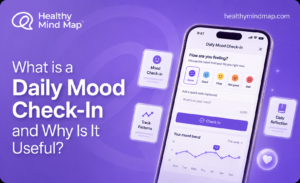
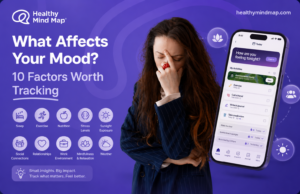
In a world that’s constantly moving at a rapid pace, it can be easy to forget to take a moment for yourself. However, prioritizing mental health is essential, and one effective way to stay grounded is through daily mood check-ins. These simple practices can help you track your emotional well-being, spot patterns, and adjust your self-care strategies accordingly.
But what exactly are mood check-ins, and how can they make a difference in your life?
This blog will explore the best ways to perform emotional tracking each day and the benefits that come with it. We’ll also introduce Mood Check-Ins apps like Healthy Mind Map, which can help you stay on top of your mental health.
What Are Daily Mood Check-Ins and Why Do They Matter?
First things first, what is a mental health check-in? A daily mental health check-in is a simple practice where you take a moment to evaluate your emotional state, thoughts, and overall well-being. It’s a tool for emotion tracking, helping you identify how you’re feeling mentally, emotionally, and physically.
But why is this so important?
The modern world’s stresses can take a toll on mental health without us realizing it. By engaging in mood tracking every day, you get a clearer picture of how you’re truly doing. This kind of emotional check-in for adults allows for:
- Increased Self-Awareness: It’s easy to ignore our feelings, but emotion tracking helps bring awareness to our mental state.
- Mental Health Insight: Regular mental health check-ins help you identify if there’s an ongoing issue, like anxiety or stress, that needs addressing.
- Better Self-Care: By tracking emotions, you can pinpoint what activities, people, or situations make you feel better or worse, allowing you to adjust your self-care routine.
- Prevention: Consistently tracking your moods makes it easier to spot early signs of emotional challenges, such as depression or burnout, before they escalate.
Top Methods for Doing Daily Mood Check-Ins
Now that we understand why daily mood check-ins matter, let’s explore the best ways to track your emotional state each day.
- Keep a Daily Journal for Mood Tracking
One of the simplest ways to perform emotional tracking is through journaling. A few sentences about how you feel at the beginning or end of the day can help you identify emotional patterns. This can be a free-writing exercise, or you can use a mental health check-in post format with questions like:
- How am I feeling today, emotionally?
- What made me feel stressed, anxious, or upset?
- Did I do something today that made me feel good?
Regular journaling helps you reflect on your day, process emotions, and track your overall mood.
- Use a Mood Check-In App
Sometimes, it’s easier to keep track of your emotional state using an emotion tracker app. There are various Mood Check-In apps available, but Healthy Mind Map is a standout for its combination of mental health resources and tracking tools. These apps let you log your feelings on the go, which makes mood tracking even more accessible.
Features of these apps often include:
- Daily check-ins that ask you to rate your mood on a scale
- Options to track feelings, thoughts, or physical symptoms
- Insights on mood patterns over time
By using an app, emotion tracking becomes a convenient habit that’s easy to keep up with every day.
- Practice an Emotional Check-In for Adults Through a Routine
A structured routine for daily mental health check-ins can also be helpful. You might incorporate a moment of mindfulness or meditation in the morning or evening, where you focus on tuning into your feelings. During this time, ask yourself:
- What emotions am I feeling right now?
- What are the main sources of these emotions?
- How do my body and mind feel in this moment?
By making it part of your routine, you make mental health check-ins a priority, no matter how busy life gets.
- Conduct Check-In Activities for Adults
If you’re the kind of person who benefits from a little structure, check-in activities for adults can be a great way to track your mood. You might enjoy:
- Completing a mood worksheet each day
- Using mood cards to identify emotions
- Doing a 5-minute meditation to reflect on your feelings
- Engaging in simple self-reflection or mindfulness exercises
These activities, along with your regular emotion tracking, can promote emotional clarity and awareness.
- Set Weekly or Monthly Goals Based on Your Check-In
Once you’ve developed the habit of doing daily mood check-ins, extend this practice by setting small mental health goals. For example, if you notice you’re feeling consistently anxious, you might set a goal to incorporate stress-reduction activities into your routine, like yoga or deep breathing exercises. The key is to use the insights gained from mood tracking to create actionable steps that improve your emotional health over time.
How Mood Tracking Improves Your Mental Health?
By doing regular mental health check-ins, you can see significant improvements in both your emotional well-being and your approach to life’s challenges.
- Reduces Stress and Anxiety
If you’re tracking your mood consistently, you’ll begin to see patterns, including triggers for anxiety or stress. Once you identify these, you can take steps to minimize or avoid them.
- Increases Emotional Regulation
Knowing how you’re feeling on a day-to-day basis allows you to regulate your emotions more effectively. With emotion tracking, you’re more attuned to your emotional state, which helps you stay calm and balanced.
- Improves Overall Mental Health
When you have a better understanding of your emotions, you’re in a better position to improve your mental health. Daily mental health check-ins provide insights that enable you to make the right decisions about your well-being.
Conclusion: The Power of Daily Mood Check-Ins
Emotional tracking is more than just a trend; it’s a proven method for enhancing your mental health and well-being. By committing to daily mental health check-ins, you can boost your emotional awareness, identify patterns, and take steps toward a healthier, more balanced life.
Start tracking your emotions today with an emotion tracker or use Mood Check-Ins apps like Healthy Mind Map to support your journey. Small check-ins can lead to powerful improvements in your mental well-being.
Frequently Asked Questions (FAQs)
Q. What is emotion tracking, and why is it important?
Emotion tracking is the process of monitoring and recording your emotional state regularly. It’s essential because it helps you recognize patterns in your feelings, which can lead to better self-awareness and mental health management.
Q. How can I do a mental health check-in without overthinking?
Start small, use a simple scale to rate your mood each day, or answer one question like “How am I feeling today?” This makes it easier and less overwhelming.
Q. What are the best check-in activities for adults?
Some effective activities include journaling, mindfulness meditation, mood rating apps, and self-reflection. All of these can help you stay aware of your emotional state.
Q. How can mood tracking improve my mental health?
Mood tracking helps you identify patterns in your emotions, manage stress, reduce anxiety, and improve emotional regulation over time, contributing to better mental health.