


Mood Tracker App to Understand Your Mental Health Patterns
Your mood shifts throughout the day, and most of it is hard to remember accurately a week later. Healthy Mind Map helps you record how you’re feeling as it happens, so patterns, not just guesses, start to show up over time.

See the Patterns Behind How You Feel
A single bad day doesn’t tell you much. A month of tracked moods does. Healthy Mind Map turns quick daily check-ins into a record you can actually look back on, so you can start to notice what tends to line up with better days, harder days, and everything in between. For a closer look at what shapes day-to-day mood, find what affects your mood so you can track better.
Record Your Mood and Daily Activities
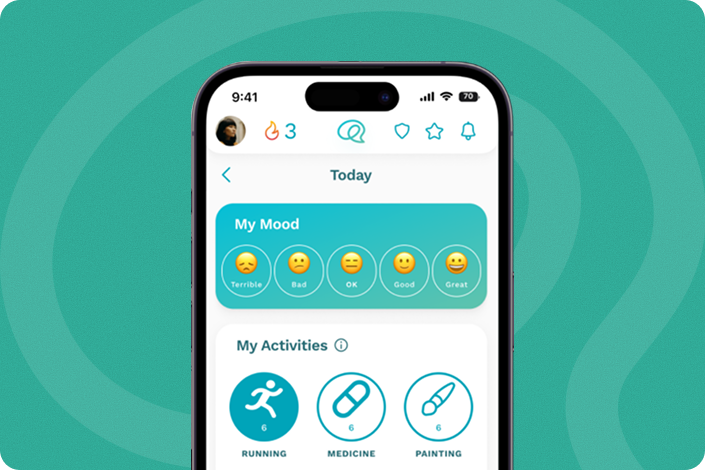
Log your mood alongside the small things that make up your day, sleep, movement, self-care, routines. It takes seconds, and each entry adds another data point to a bigger picture.
Instead of trying to reconstruct last week from memory, you’ll have an actual record of what happened and how you felt.
- Log mood, sleep, movement, and self-care in seconds
- Add a quick note for context on any entry
- Build a daily record instead of relying on memory
Review Your Patterns Over Time
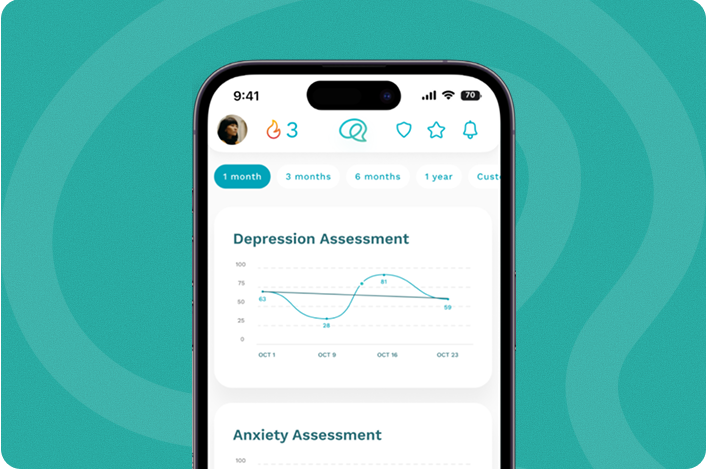
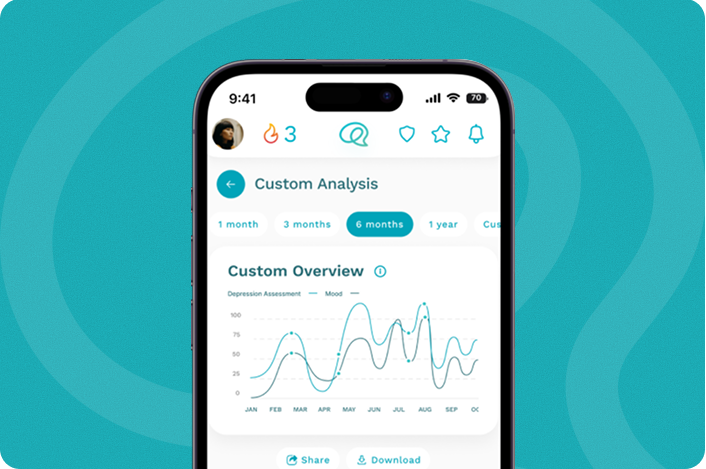
Individual entries are useful, but patterns are where mood tracking becomes valuable. Healthy Mind Map lays your tracked moods out over weeks and months, so recurring ups and downs, and what tends to surround them, are easier to spot.
This isn’t a diagnosis. It’s a clearer view of your own trends, which is often the first step toward understanding them.
- See mood trends laid out over weeks and months
- Spot recurring ups and downs
- Compare patterns without rereading old entries
Bring Insights Into Your Mental Health Journey
If you’re working with a therapist, your mood history can be a useful starting point for conversations, a way to talk through what’s actually been happening rather than relying on memory alone. If that sounds like what you need, our Therapy Tracking App page covers session-specific tracking and sharing in more depth. If you’re not currently in therapy, it’s still a useful record for understanding yourself better over time.
Either way, what you track stays yours to use, and share, as you see fit.
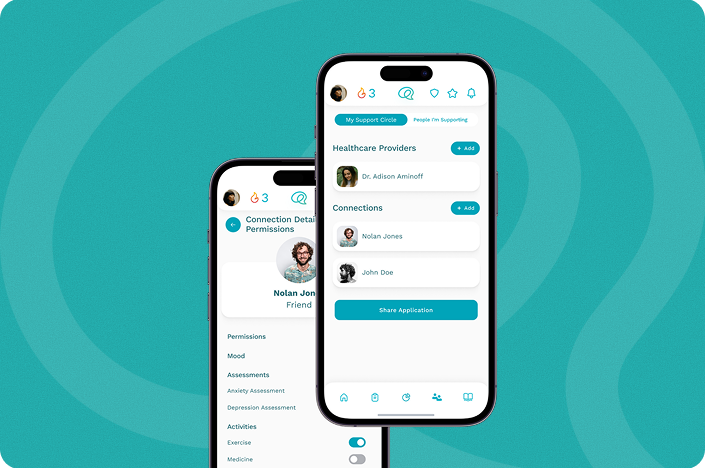
- Choose exactly what to share, and with whom
- Use your history to prepare for therapy conversations
- Keep entries private unless you decide to share them
Monitor Progress Over Time
Mood tracking isn’t just about identifying hard weeks. It’s also about seeing progress that’s easy to miss day to day. Healthy Mind Map turns your entries into simple trend views, so gradual change becomes visible instead of getting lost in the noise of daily ups and downs.
- Turn daily entries into simple trend views
- Notice gradual change that’s easy to miss day to day
- Track progress over weeks, not just single days
Support for the Days In Between
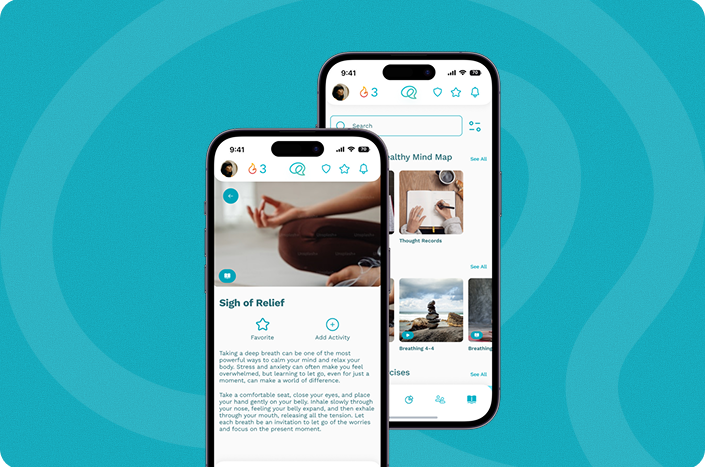
Some days call for more than a log entry. Healthy Mind Map includes short guided exercises and grounding tools you can use alongside tracking, practical support, not a substitute for professional care when you need it. Browse the full library under Features.
- Guided breathing and grounding exercises
- Short check-ins for harder days
- Tools to pair with your tracking, not replace it
FAQ
Frequently Asked Questions
Common questions about how mood tracking works and how Healthy Mind Map fits into your routine. See our full FAQ page for more.
A mood tracker app is a tool for recording how you feel over time, usually alongside other daily details like sleep, activities, or routines, so you can look back and see patterns instead of relying on memory.
A journal is open-ended writing. A mood tracker adds structure, ratings, tags, and daily entries, so patterns are easier to see at a glance without rereading weeks of notes. Some people use both.
No. Mood tracking can help you notice patterns and changes over time, but it isn't a diagnostic tool. If you're concerned about your mental health, a licensed professional can properly assess your symptoms.
Over time, you may start to notice things like whether poor sleep tends to line up with lower moods, whether certain routines correlate with better days, or how your mood has shifted over weeks or months. These are patterns to explore, not proven cause-and-effect.
There's no fixed rule. Many people check in once a day; some track a few times a day during harder periods. Consistency matters more than frequency. A few entries a week is still useful.
It can be. Having a record of your mood and daily patterns often makes it easier to remember what happened between sessions and bring specific examples into your conversations with your therapist. Our Therapy Tracking App page covers this use case in more detail.
Not necessarily. For some people, frequent tracking can increase anxiety or become another source of pressure rather than insight. If tracking starts to feel stressful rather than useful, it's worth stepping back or talking to a professional about what's helpful for you.

Ready to Start Feeling More in Control?
Join Healthy Mind Map today. Your first step toward understanding your mental health.
