GO BACK
How to Know Whether Therapy Is Helping You
Starting therapy can feel like a meaningful step, but after a few sessions, another question often appears: Is



Starting therapy can feel like a meaningful step, but after a few sessions, another question often appears: Is this actually helping me?
Therapy progress is not always dramatic. You may not wake up one morning suddenly free from anxiety, stress, difficult thoughts, or unhealthy patterns. In many cases, progress appears through smaller changes: recognizing an emotional trigger sooner, recovering from a difficult day faster, communicating more clearly, or understanding what affects your mood.
So, how to know if therapy is working when improvement can be so gradual?
The answer is to look beyond whether you simply “feel better.” Effective mental health therapy can change how you understand emotions, respond to challenges, maintain relationships, and manage difficult periods. Combining these observations with practices such as a daily mood check in and consistent mood tracking can make progress easier to recognize.
Here are the most important therapy progress signs to look for and what to do when you’re still asking, is therapy working for me?
One misconception about mental health therapy is that successful treatment should make you happier after every appointment. Therapy can sometimes leave you emotionally tired or uncomfortable because you’re discussing difficult experiences, beliefs, or behaviors.
That does not automatically mean something is wrong.
When people ask how do I know if therapy is working, a better approach is to examine changes across several weeks or months rather than judging individual sessions.
Some early signs therapy is working may include becoming more aware of your reactions, recognizing unhealthy patterns, developing stronger coping strategies, or expressing emotions more clearly.
You may still have difficult days. Progress means those days are gradually becoming easier to understand and navigate.
One of the earliest signs therapy is helping you may be improved emotional awareness.
Before therapy, you might describe everything as “stress” or simply say you feel bad. Over time, you may become better at distinguishing frustration from disappointment, anxiety from fear, or exhaustion from sadness.
Why does that matter?
Because identifying an emotion gives you more information about what you may need.
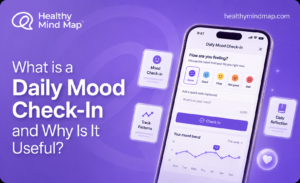
A regular daily mood check in can reinforce this process. Instead of asking only whether your day was good or bad, consider what you felt, when it changed, and what affects your mood.
Consistent mood tracking can make these emotional shifts easier to notice between therapy appointments.
Another answer to how to tell if therapy is helping is whether you are recognizing patterns earlier.
Perhaps criticism previously triggered hours of negative thinking. Maybe a stressful workday automatically led you to withdraw from people around you. With progress, you may begin noticing that pattern while it is happening rather than only afterward.
That awareness is one of the important therapy progress signs.
This is also where mood tracking can complement mental health therapy. Recording sleep, daily activities, stress, and emotional changes can help reveal what affects your mood over time.
You are moving from “I always feel this way” toward “I’ve noticed I tend to feel this way when this happens.” That is a meaningful difference.
Learning coping techniques is one thing. Remembering to use them during an emotionally difficult moment is another.
One of the clearest signs therapy is working is when strategies discussed during sessions begin appearing naturally in everyday life.
You might pause before reacting during an argument, use a grounding technique when anxiety rises, challenge an unhelpful thought, or create boundaries before becoming overwhelmed.
If you’re wondering how do I know it’s working, ask yourself whether your response to difficult situations has changed, even when the difficult situations themselves have not.
Progress is often visible in the response rather than the problem disappearing entirely.
Successful therapy does not mean never experiencing sadness, anger, anxiety, or stress again.
Instead, one of the most meaningful signs therapy is helping you can be improved recovery.
Perhaps something upsetting previously affected you for several days but now takes several hours to process. Maybe anxiety still appears, but you understand it better and can respond without immediately becoming overwhelmed.
A daily mood check in can make these improvements easier to recognize. When you review several weeks of mood tracking, you may discover that difficult periods are becoming shorter or that emotional recovery is happening faster.
Those changes count as therapy progress signs, even if they feel subtle in the moment.
Wondering is therapy working for me? Look beyond the therapy room.
Effective mental health therapy often changes how people interact with others. You may communicate needs more clearly, stop automatically agreeing to things you don’t want, recognize unhealthy dynamics sooner, or become more comfortable having difficult conversations.
These changes may initially feel uncomfortable.
For someone accustomed to avoiding conflict, setting a boundary can feel worse before it feels healthier. That is why evaluating progress solely by asking “Do I feel good?” can be misleading.
Sometimes how to tell if therapy is helping is visible in healthier decisions that initially feel unfamiliar.
Think back several months. Could you confidently explain what affects your mood?
If therapy and self-reflection have helped you recognize connections among sleep, work, relationships, habits, stress, and emotional changes, that increased awareness matters.
A structured daily mood check in can help capture information that memory misses. Through regular mood tracking, you may recognize that certain routines consistently improve your emotional state while other circumstances increase stress.
Tools such as Healthy Mind Map can support this self-monitoring by helping users track moods, daily activities, assessments, and patterns over time. Healthy Mind Map does not provide therapy or replace professional care; it can be used alongside therapy to help individuals better understand their day-to-day experiences.
One difficulty with answering how to know if therapy is working is that humans are not perfect at remembering gradual change.
Imagine having one particularly difficult day. It may feel as though nothing has improved, even if the previous three weeks were considerably better than they would have been six months earlier.
This is where structured mood tracking can provide useful context.
With Healthy Mind Map, users can perform a daily mood check in, monitor everyday activities, complete assessments, and review patterns through analytics. These insights can help individuals recognize what affects your mood and observe changes over longer periods.
If you choose, observations from Healthy Mind Map can also give you useful topics to discuss with your therapist. It is a self-awareness tool that can complement mental health therapy, not a substitute for it.
Sometimes the answer may genuinely be no or not yet.
If you’ve been consistently attending sessions but see few signs therapy is working, it is reasonable to discuss your concerns directly with your therapist. Ask how progress is being measured, whether your goals should be adjusted, and what changes they would expect to see.
When asking how do I know if therapy is working, consider several factors: Do you feel comfortable enough to be honest? Does your therapist understand your goals? Can they explain their approach? Are you developing useful insights or skills?
The therapeutic relationship matters. Sometimes progress requires more time; in other situations, a different therapist or therapeutic approach may be a better fit.
One difficult week does not erase months of progress.
Likewise, one excellent week does not necessarily mean every challenge has been resolved.
If you’re trying to determine how do I know it’s working, look at the overall direction rather than individual days. Review your daily mood check in records, consider how you respond to stress now compared with several months ago, and discuss your observations during therapy.
The most meaningful therapy progress signs often become visible only when you zoom out.
So, how to know if therapy is working?
Look for changes in awareness, not just changes in mood. Pay attention to how quickly you recognize triggers, how you respond to difficult emotions, how you communicate with others, and whether your coping skills are becoming easier to use.
A consistent daily mood check in and ongoing mood tracking can make these subtle improvements easier to recognize. Healthy Mind Map can help you document emotional patterns and daily habits so you have a clearer picture of changes occurring between therapy sessions.
Therapy progress is rarely a perfectly straight line. What matters is whether, over time, you are understanding yourself better and becoming better equipped to handle what life brings.
How do I know if therapy is working?
If you’re wondering how do I know if therapy is working, look for greater emotional awareness, healthier coping responses, stronger boundaries, improved relationships, and better recovery after difficult experiences. Progress in mental health therapy is often gradual rather than immediate.
What are the most common signs therapy is working?
Common signs therapy is working include recognizing triggers earlier, understanding what affects your mood, communicating more effectively, and using coping strategies outside sessions. These are important therapy progress signs even if symptoms have not disappeared completely.
How can I tell if therapy is helping when I still have bad days?
If you’re asking how to tell if therapy is helping, compare how you manage difficult days now with how you handled them before. Signs therapy is helping you can include recovering faster, understanding your reactions, and feeling more capable of responding constructively.
Can a daily mood check in help measure therapy progress?
Yes. A daily mood check in combined with consistent mood tracking can reveal emotional patterns and gradual changes that may be difficult to remember. Healthy Mind Map can support this kind of structured self-reflection alongside professional care.
Is therapy working for me if sessions sometimes feel uncomfortable?
Possibly. Exploring difficult experiences during mental health therapy can sometimes feel uncomfortable. When asking is therapy working for me, consider your longer-term progress, therapeutic goals, sense of trust, and whether you are gaining useful insights and skills rather than judging one difficult session.



Join Healthy Mind Map today. Your first step toward understanding your mental health.