People are becoming more aware of emotional well-being than ever before. Conversations around stress, burnout, anxiety, and emotional balance are happening everywhere. Yet despite this growing awareness, many individuals still struggle to maintain consistent habits when it comes to emotional self-awareness.
A large number of people download an anxiety tracker, save a mental health mood tracker printable, or start using a mood tracking app with good intentions. For a few days, they stay motivated. They log their emotions, review a daily mood chart, and promise themselves they will stay consistent.
Then life gets busy.
Tracking stops. The monthly mood tracker gets ignored. The depression tracker sits unused. And over time, emotional awareness becomes another unfinished goal.
So why does this happen so often? Why do people struggle to maintain these habits even when they know why mental health matters? The answer is usually not laziness. It is often because people approach emotional tracking in ways that feel unrealistic, overwhelming, or disconnected from daily life.
Why Mental Health Matters More Than People Realize?
Before understanding why people fail at emotional tracking, it is important to understand why mental health matters in the first place. Many individuals focus on physical health while ignoring emotional well-being. They track their sleep, weight, exercise, and diet, but forget to track your health from an emotional perspective.
The truth is simple: There is no health without mental health.
Stress, anxiety, emotional burnout, and mood instability affect relationships, productivity, energy levels, sleep quality, and overall well-being. This is why questions such as “why is mental health important?” and “what is the importance of mental health?” continue to appear so often in online discussions.
Mental health affects how people think, feel, make decisions, and respond to challenges. Without emotional awareness, it becomes difficult to recognize when something needs attention. This is where tools such as an anxiety tracker, depression tracker, or mental health tracker become valuable.
People Expect Instant Results
One major reason people stop using a mental health tracker is that they expect immediate results.
Someone may start using a mood tracking app for a week and then feel disappointed because they do not see dramatic changes. They may log their emotions in a monthly mood tracker or use a daily mood chart for a few days and assume it is not working.
However, emotional tracking works the same way as physical fitness. Results appear through consistency. An anxiety tracker is not designed to “fix” anxiety overnight. A depression tracker does not immediately remove difficult feelings. Instead, these tools help reveal patterns over time.
For example, someone may notice through mental tracking that their stress increases after poor sleep or that their mood improves after exercise. These small observations become meaningful when they are collected consistently.
The value of a mental health tracker comes from long-term awareness, not instant results.
Most People Make Tracking Too Complicated
Another reason people fail at emotional tracking is that they make the process too difficult. Some individuals believe they need to write long journal entries every day. Others think they need detailed spreadsheets, a complex monthly mood tracker, or multiple mental health mood tracker printable templates.
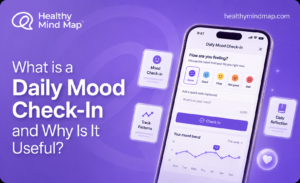
In reality, emotional tracking does not need to be overwhelming. A simple daily mood chart with short notes about energy, stress, or sleep is often enough. Many people benefit from a mood tracking app because it simplifies the process into a few quick questions.
The easier the system feels, the more likely someone is to continue using it. This is one reason why tools such as an anxiety tracker or depression tracker are becoming more popular. They remove complexity and make mental tracking feel manageable. When people create unrealistic expectations, they are more likely to quit.
They Only Track Their Mood and Ignore Their Habits
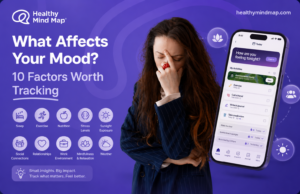
A common mistake in mental tracking is focusing only on emotions without tracking the factors that influence them. For example, someone may use a mental health tracker to record stress or sadness, but they do not record sleep, exercise, diet, or social interactions.
This makes it harder to understand why mental health matters in everyday life. Emotional patterns often connect to habits. Poor sleep may increase anxiety. Skipping meals may reduce energy. Social isolation may contribute to sadness. Without tracking these lifestyle factors, the monthly mood tracker becomes less useful.
This is why the best systems help people track your health more holistically. An effective anxiety tracker or depression tracker should include questions about sleep, physical activity, stress levels, and routines. These details provide deeper insight into mental wellness data that can lead to meaningful change.
They Feel Discouraged by Negative Emotions
Many people stop using a mental health tracker because they become uncomfortable seeing difficult emotions appear repeatedly. Someone may open their daily mood chart and realize they have felt stressed, sad, or overwhelmed for several days in a row. This can feel discouraging.
However, difficult emotions are not a sign of failure. They are information. An anxiety tracker is meant to reveal patterns, not judge them. A depression tracker is designed to create awareness, not shame. Understanding why mental health matters means accepting that emotional tracking should include both good days and difficult days.
When individuals avoid tracking during hard periods, they lose the most valuable data. Often, the moments when someone feels least motivated are the moments when mental tracking becomes most important. This is one reason why consistent emotional awareness creates stronger insight mental wellness habits over time.
They Forget That There Is No Health Without Mental Health
People often prioritize physical goals while treating emotional wellness as optional. They schedule workouts, meal plans, and medical appointments, but forget to make time for a mental health tracker.
The phrase “no health without mental health” exists for a reason.
Emotional well-being influences physical energy, productivity, concentration, relationships, and even immune function. Questions such as “why is mental health important?” continue to trend because more people are beginning to understand this connection.
Tracking emotions should not feel separate from overall health. It should become part of the same routine as tracking sleep, hydration, or exercise. When individuals learn to track your health emotionally as well as physically, they create a more balanced understanding of their overall well-being.
Online Support Can Strengthen Tracking Habits
Some people struggle with emotional tracking because they try to manage everything alone. In some cases, support can make the process easier. This is where mental health counseling online can become valuable.
Mental health counseling online gives individuals the opportunity to discuss emotional patterns with a professional while continuing to use an anxiety tracker, depression tracker, or mood tracking app.
For many people, combining mental tracking tools with mental health counseling online creates stronger accountability and more meaningful insights. A professional can help interpret patterns, identify triggers, and explain why mental health matters in ways that feel practical and actionable.
This combination often leads to stronger insight mental wellness habits.
How to Stay Consistent With Mental Health Tracking
People are more likely to stay consistent when emotional tracking becomes part of their routine.
Here are a few ways to make it easier:
- Use a simple anxiety tracker or depression tracker instead of a complicated system
- Complete a daily mood chart at the same time each day
- Use a monthly mood tracker to review patterns regularly
- Include habits like sleep, exercise, and stress in your mental tracking
- Pair emotional tracking with mental health counseling online if needed
The goal is not perfection. The goal is consistency. Even small amounts of tracking can reveal important information about emotional health.
Final Thoughts
People often fail at emotional tracking because they expect fast results, make the process too complicated, or stop when emotions become uncomfortable. However, the truth remains: there is no health without mental health.
Using an anxiety tracker, depression tracker, monthly mood tracker, or mood tracking app consistently can reveal important patterns that improve self-awareness. When people understand why mental health matters, they become more willing to prioritize emotional well-being alongside physical health. The goal is not to track emotions perfectly every day.
The goal is to build enough awareness to understand yourself better over time.
Frequently Asked Questions
1. Why is mental health important in everyday life?
Mental health affects how people think, respond to stress, maintain relationships, and make decisions. This is why mental health matters just as much as physical health.
2. What is the importance of mental health tracking?
A mental health tracker helps individuals recognize emotional patterns, understand triggers, and build greater self-awareness over time.
3. Is an anxiety tracker helpful for daily stress?
Yes. An anxiety tracker helps individuals identify situations, habits, or environments that increase stress and anxiety levels.
4. Can a mood tracking app replace professional support?
No. A mood tracking app provides awareness, but mental health counseling online may still be necessary for deeper support.
5. What is the difference between a depression tracker and a daily mood chart?
A depression tracker focuses specifically on emotional lows and symptoms, while a daily mood chart tracks broader emotional changes and patterns.