GO BACK
Signs You Need a Mental Health Tracker App in 2026
Mental health awareness has become more common, but many people still wait too long before paying attention to
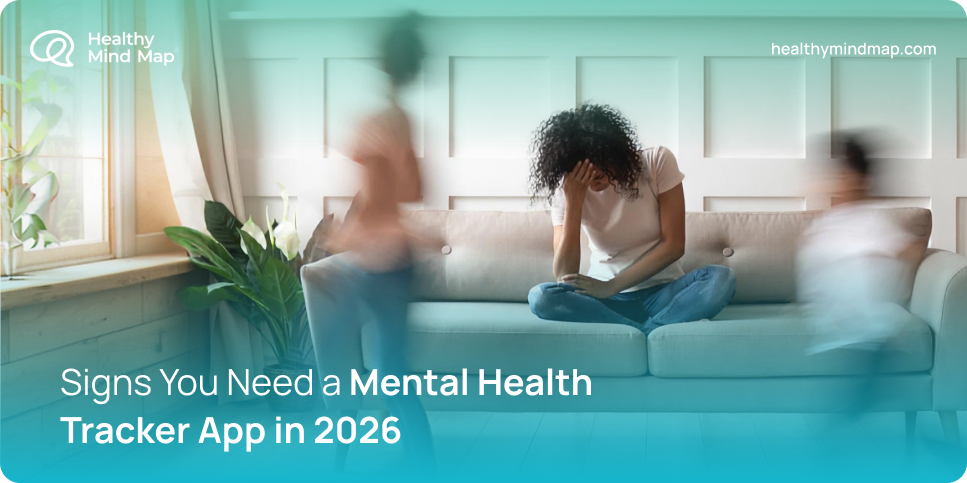


Mental health awareness has become more common, but many people still wait too long before paying attention to their emotional well-being. They dismiss stress as “just being tired,” assume burnout is temporary, or ignore emotional patterns until things begin to feel overwhelming.
In many cases, people do not realize they are experiencing early mental health warning signs until their daily routines, relationships, or productivity start to suffer. That is why more individuals are turning to mental health apps in 2026.
A good mental health tracker app is no longer just a trend. It is becoming a practical way to monitor emotions, identify stress patterns, and recognize when extra support may be needed. Modern wellness apps now provide tools for mood tracking, stress awareness, routine monitoring, and self-reflection.
But how do you know when it is time to start using one?
If you have noticed emotional changes, constant stress, or signs your life is falling apart, it may be time to explore the growing world of mental health apps.
One of the most common mental health warning signs is feeling emotionally exhausted by situations that once felt manageable.
Tasks like answering emails, handling responsibilities, or making small decisions may suddenly feel overwhelming. This does not always mean something is seriously wrong, but it can be a sign that emotional stress is building beneath the surface.
Many people dismiss these experiences until they begin noticing signs your life is falling apart in other areas, such as sleep, relationships, work performance, or daily motivation.
Mental health apps help individuals track these emotional changes before they become more severe. A mental health tracker can reveal patterns in mood, stress levels, and triggers that might otherwise go unnoticed.
This is one reason health and wellness apps are becoming more important in everyday life.
Occasional mood shifts are normal. However, if your emotions change dramatically throughout the day without a clear explanation, it may be worth paying attention.
Frequent irritability, sadness, anxiety, or emotional numbness can sometimes be early signs of mental illness. These changes may not always feel serious in the beginning, but they can become more difficult to manage over time.
Mental health apps are designed to help individuals monitor these emotional fluctuations consistently. Many wellness apps now include features such as mood tracking, stress check-ins, and emotional journaling.
These mental health app features make it easier to identify whether certain situations, habits, or environments are affecting emotional stability. Instead of guessing, health monitoring apps provide structured insight into emotional patterns.
Burnout is one of the most overlooked mental health warning signs. People often assume they simply need more sleep or a vacation, but emotional exhaustion can be deeper than that.
If you constantly feel drained, disconnected, or unmotivated, it may be a sign that your emotional well-being needs more attention. In some cases, prolonged burnout can contribute to the decompensation of mental health symptoms, where individuals begin struggling to manage responsibilities they once handled easily.
Mental health apps can help track changes in energy, motivation, and emotional resilience. Some of the best therapy apps also include guided breathing exercises, wellness reminders, and stress management tools.
By using wellness apps consistently, individuals can recognize burnout earlier and take action before symptoms become more severe.
When stress becomes chronic, people may begin noticing signs that their life is falling apart in different parts of their life.
This could include:
These are not always immediate signs of mental illness, but they can be mental health warning signs that something deeper is happening emotionally. Mental health apps provide a way to document these experiences and look for patterns. Over time, individuals may begin to understand whether these struggles are temporary or part of a larger emotional issue.
This is one reason why health and wellness apps are becoming more widely used in 2026.
Many people know they should take care of their mental health, but they do not know where to begin. This is where mental health apps become useful. A good app creates structure by encouraging regular check-ins, emotional tracking, and healthy routines.
The best therapy apps often include reminders for journaling, mindfulness exercises, sleep tracking, or daily reflection. These mental health app features help individuals stay consistent instead of only paying attention to emotional health during difficult moments.
For individuals who prefer self-guided support, wellness apps can become an important part of their daily routine. Many health monitoring apps are now designed to integrate emotional well-being with physical wellness habits such as sleep, exercise, hydration, and nutrition.
Mental health apps are not designed to replace professional care. However, they can provide valuable support between appointments.
For example, someone using an online psychiatrist app may also benefit from using mental health apps to track symptoms, emotional triggers, and daily habits. This can make therapy sessions more productive because individuals have clearer information about their experiences.
Many of the best therapy apps also work well for individuals receiving professional support. They help bridge the gap between appointments and encourage emotional awareness on a daily basis. This combination can be especially helpful for people experiencing decompensation, mental health symptoms, or emotional instability.
Children experience emotional challenges too, but they may not always have the language to explain what they are feeling. This is why mental health apps for kids are becoming more common. These tools are designed to help children identify emotions, build coping habits, and communicate stress in healthy ways.
Mental health apps for kids often include simple mood check-ins, emotional education, and visual tools that make emotional awareness easier to understand. Parents who notice mental health warning signs such as irritability, withdrawal, sadness, or sleep changes may find that wellness apps provide a helpful starting point for conversations. Of course, if symptoms become severe, professional care should always be considered.
Not all mental health apps are created equally. The best options include practical mental health app features that make emotional tracking simple and sustainable.
Some important features to look for include:
The most effective health monitoring apps combine emotional awareness with daily wellness habits. This is why many people are now using health and wellness apps not just for physical health, but for emotional well-being too.
Many people ignore emotional struggles until they begin noticing signs your life is falling apart. However, emotional health usually changes gradually, which is why recognizing mental health warning signs early is so important.
Mental health apps provide structure, awareness, and emotional insight that can help individuals understand their moods, habits, and stress patterns before they become overwhelming.
Whether someone is exploring wellness apps, looking into apps for depression and anxiety, or using an online psychiatrist app alongside professional care, emotional tracking has become an important part of daily well-being.
In 2026, taking care of emotional health is no longer optional. It is part of taking care of your overall health.
1. What are the most common mental health warning signs?
Common mental health warning signs include mood changes, sleep problems, burnout, irritability, withdrawal, lack of motivation, and increased stress.
2. Can mental health apps replace therapy?
No. Mental health apps support emotional awareness but should not replace therapy or an online psychiatrist app when professional care is needed.
3. Are apps for depression and anxiety effective?
Yes. Apps for depression and anxiety can help individuals track mood patterns, recognize triggers, and build healthier routines.
4. What are the best therapy apps in 2026?
The best therapy apps are those that include mood tracking, journaling, stress management, habit tracking, and progress monitoring.
5. Are mental health apps for kids safe to use?
Mental health apps for kids can be helpful when designed appropriately. Parents should choose age-appropriate wellness apps and monitor usage.



Join Healthy Mind Map today. Your first step toward understanding your mental health.